Was Waste, Will be Toy. Combining design and material science to develop made in Italy toys from organic waste through a bioeconomy approach.
PROJECT OVERVIEW
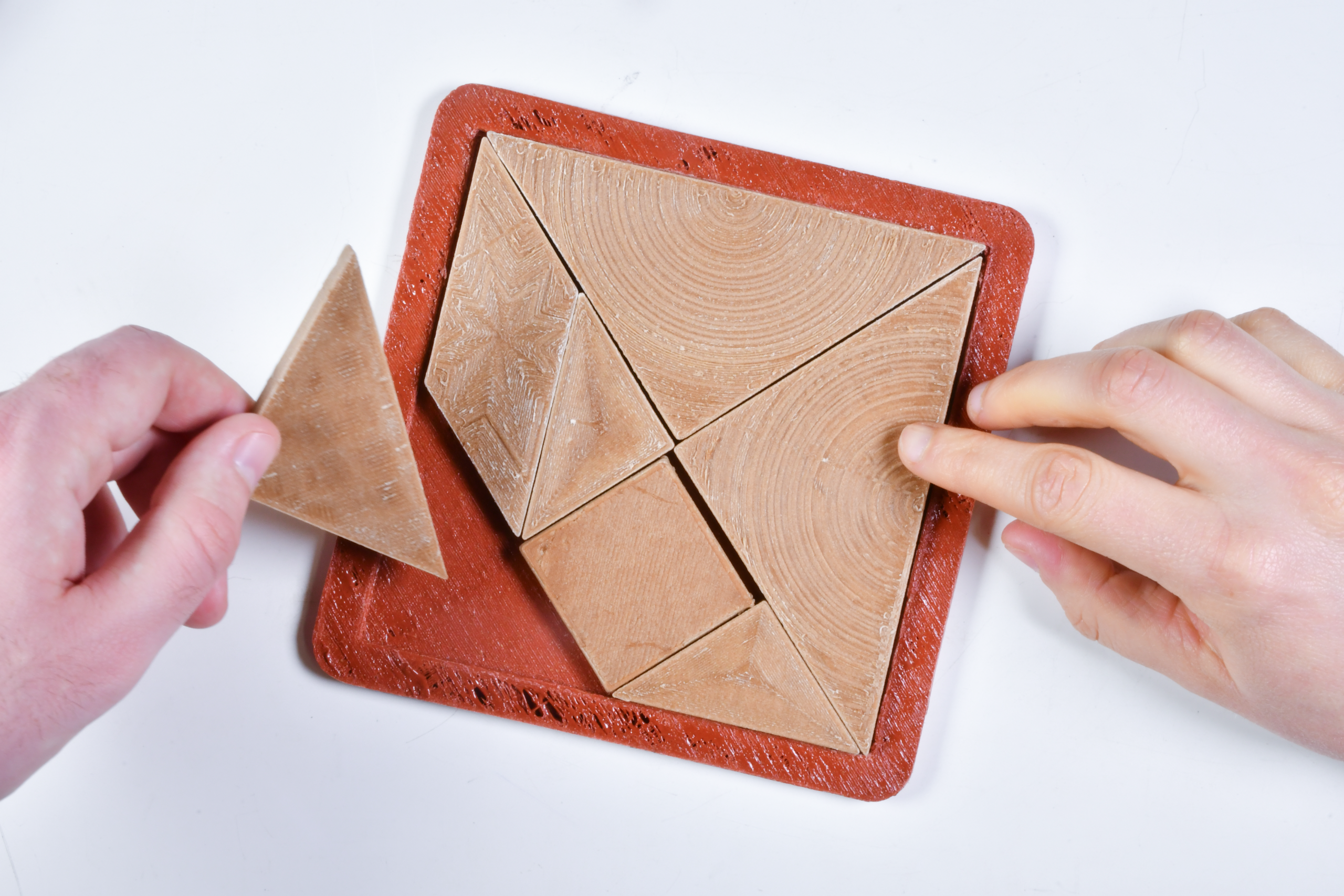
WAS TOY is a research-driven project investigating how organic waste can be transformed into bio-based materials for circular toy design. The project merges concrete circular bio-economy practices with educational purposes, using toys as a medium to communicate sustainability, material cycles, and waste valorization. Organic waste from the food and agricultural supply chain is explored as an alternative resource for producing biodegradable materials from renewable sources. By addressing a sector characterized by short product lifespans and a widespread use of petroleum-based polymers, WAS TOY proposes material and narrative strategies to significantly reduce environmental impact. Developed through the collaboration of design, chemistry, and economic expertise, WAS TOY also maps local Italian waste streams to activate industrial symbiosis scenarios, supporting emerging local bio-economies and renewing a contemporary vision of Made in Italy.
From Waste Streams to Industrial Symbiosis
WAS TOY adopts an industrial symbiosis approach, in which locally available agricultural waste streams are reintegrated into new production cycles. By connecting food and agricultural by-products with material research and distributed manufacturing, the project proposes a localized and circular material ecosystem. The toy industry, similarly to other consumer product sectors, relies largely on petroleum-based polymers and short-lived objects, resulting in significant environmental impact and ineffective end-of-life strategies. Disposable products often persist in the environment, contributing to soil and water pollution and reinforcing unsustainable material cycles. In contrast to assembling homogeneous, fossil-based components, WAS TOY explores bio-based mono-material systems derived from organic residues, whose properties can be tuned through material formulation and processing. These materials are designed to safely re-enter natural cycles at the end of their life, biodegrading without releasing microplastics or persistent pollutants. By aligning material origin, use, and decomposition, the project reframes toys not as disposable objects, but as temporary states within regenerative material systems.
Grape pomace
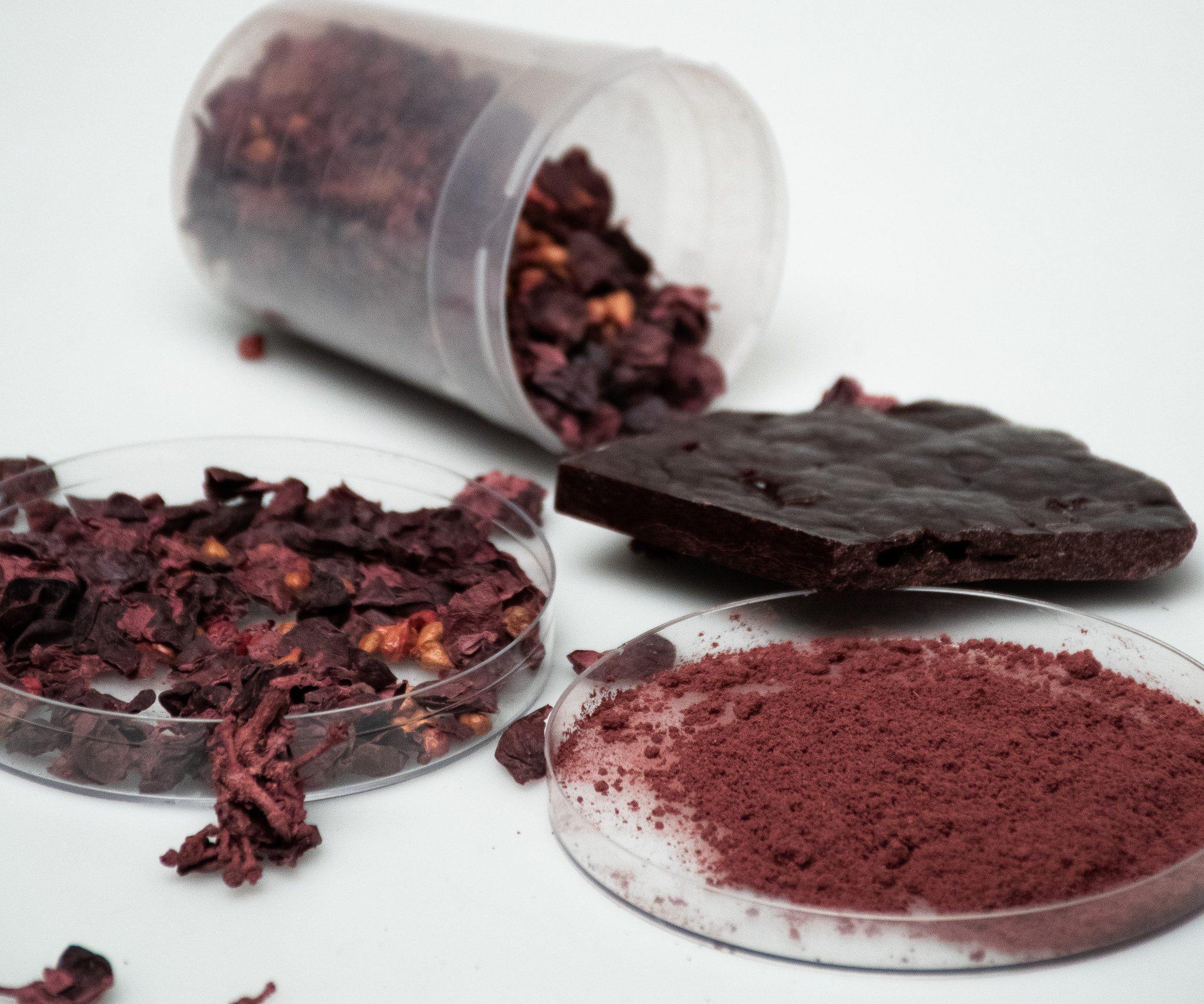
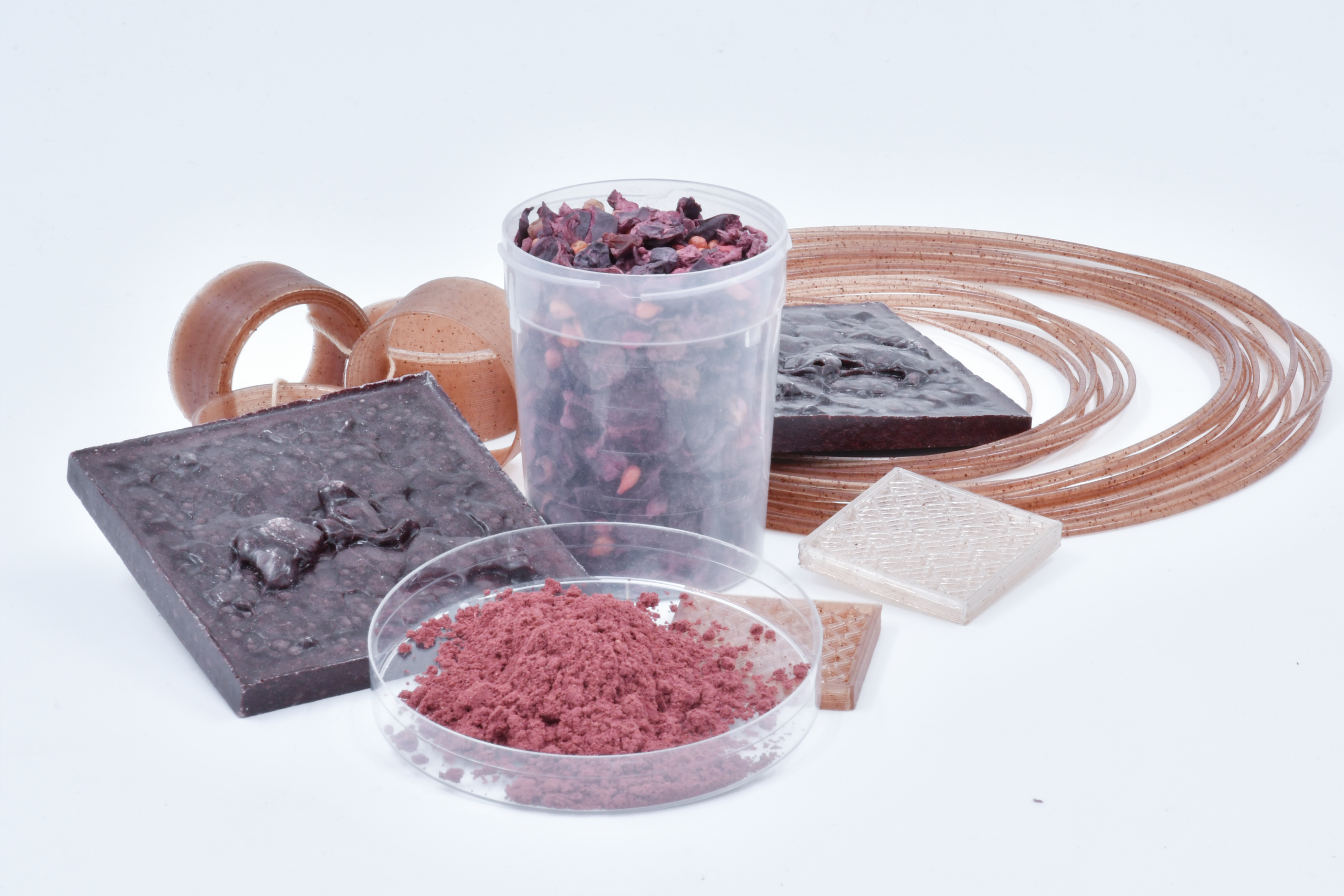
Grape pomace is a by-product of the wine industry, represents the primary waste stream investigated in the project. Identified through a territorial mapping of agricultural residues—including olive, orange, and hemp waste—it was selected for its high availability, consistency, and suitability for material experimentation, while parallel tests were conducted on the other residues. Beyond its abundance, grape pomace exhibits intrinsic functional properties such as antioxidant and antimicrobial potential, making it particularly relevant for applications involving children and frequent handling. When incorporated into polymer matrices, it also acts as a bio-based filler, contributing to material structuring and processability. Its natural pigmentation introduces organic color variations and textures, generating a distinct material aesthetic that reflects its biological origin. In the context of toys, this visual and sensorial identity becomes an educational asset, reinforcing sustainability principles through material experience and storytelling.

THE PROCESS
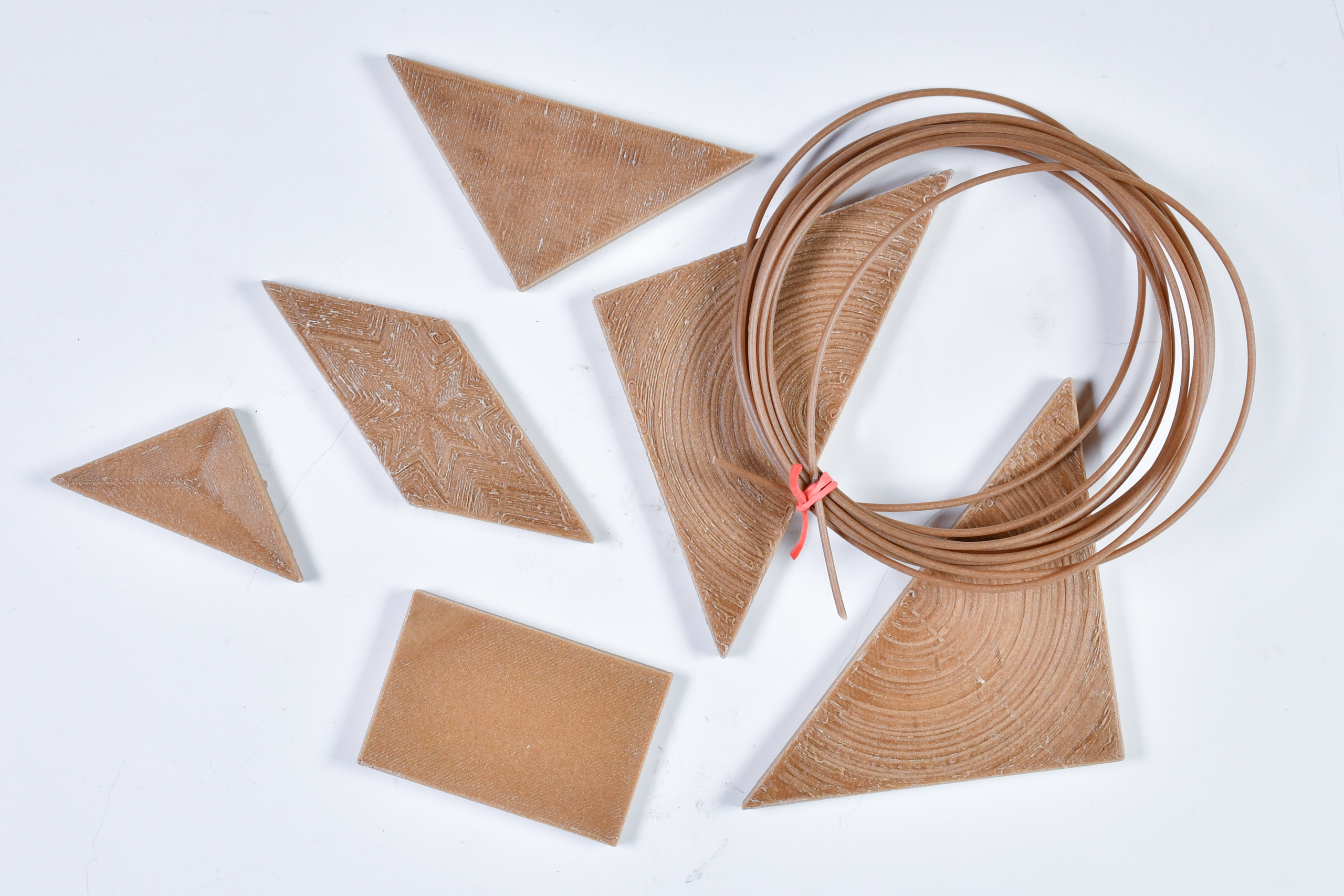
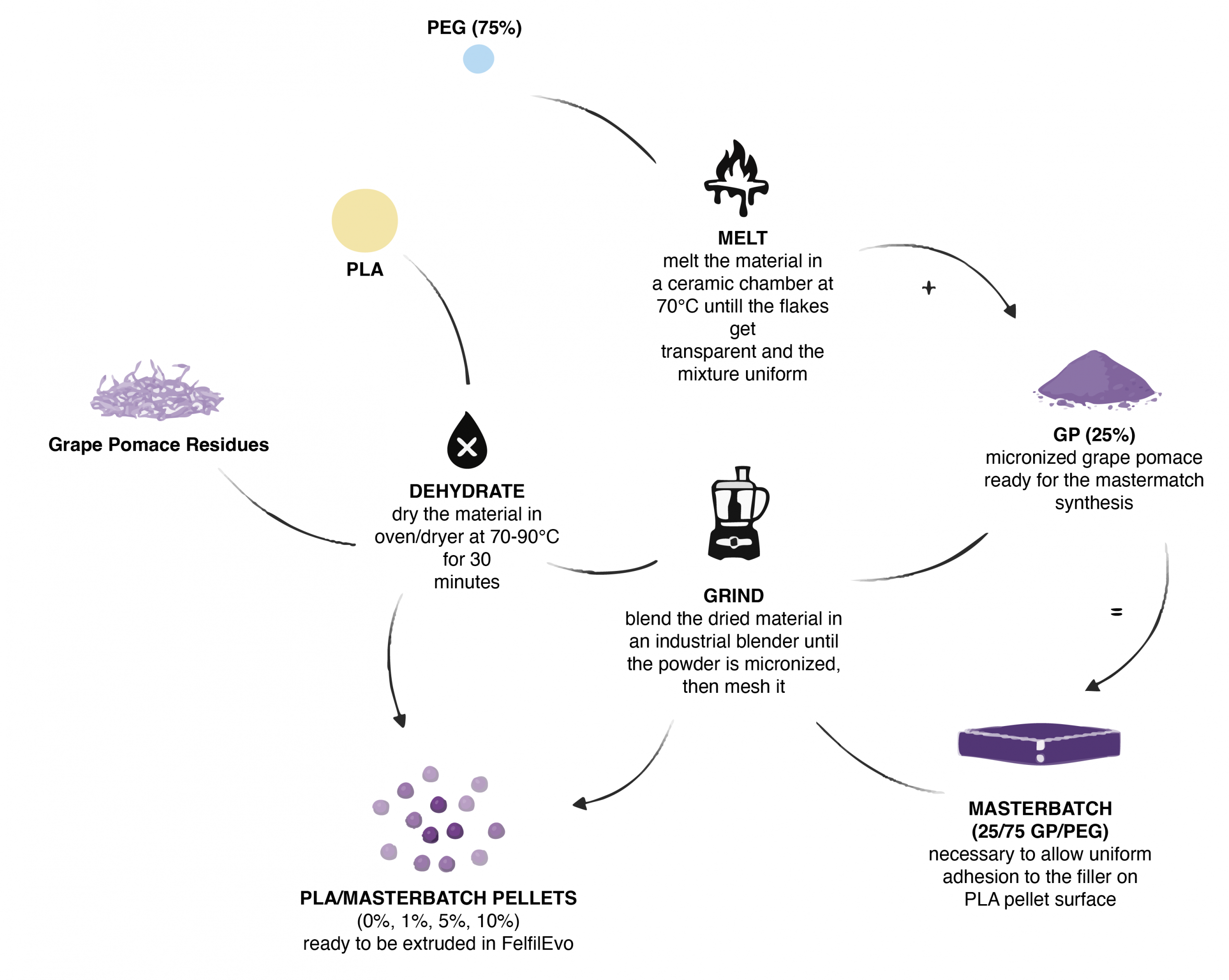
The project resulted in the development of an extrudable and 3D-printable bio-based polymer blend, composed of PLA and PEG, integrated with grape pomace residues at different concentrations (0%, 1%, 5%, and 10%). Designed to be compatible with conventional polymer processing and additive manufacturing workflows, the material offers a sustainable alternative that can be integrated into existing production cycles. The material development process begins with raw agricultural waste and unfolds through multiple transformation steps, including dehydration, grinding, and masterbatch synthesis. The resulting composite is then blended with the polymer matrix, extruded into pellets, and processed through 3D printing, generating functional material samples and prototypes.
MATERIAL OUTCOMES
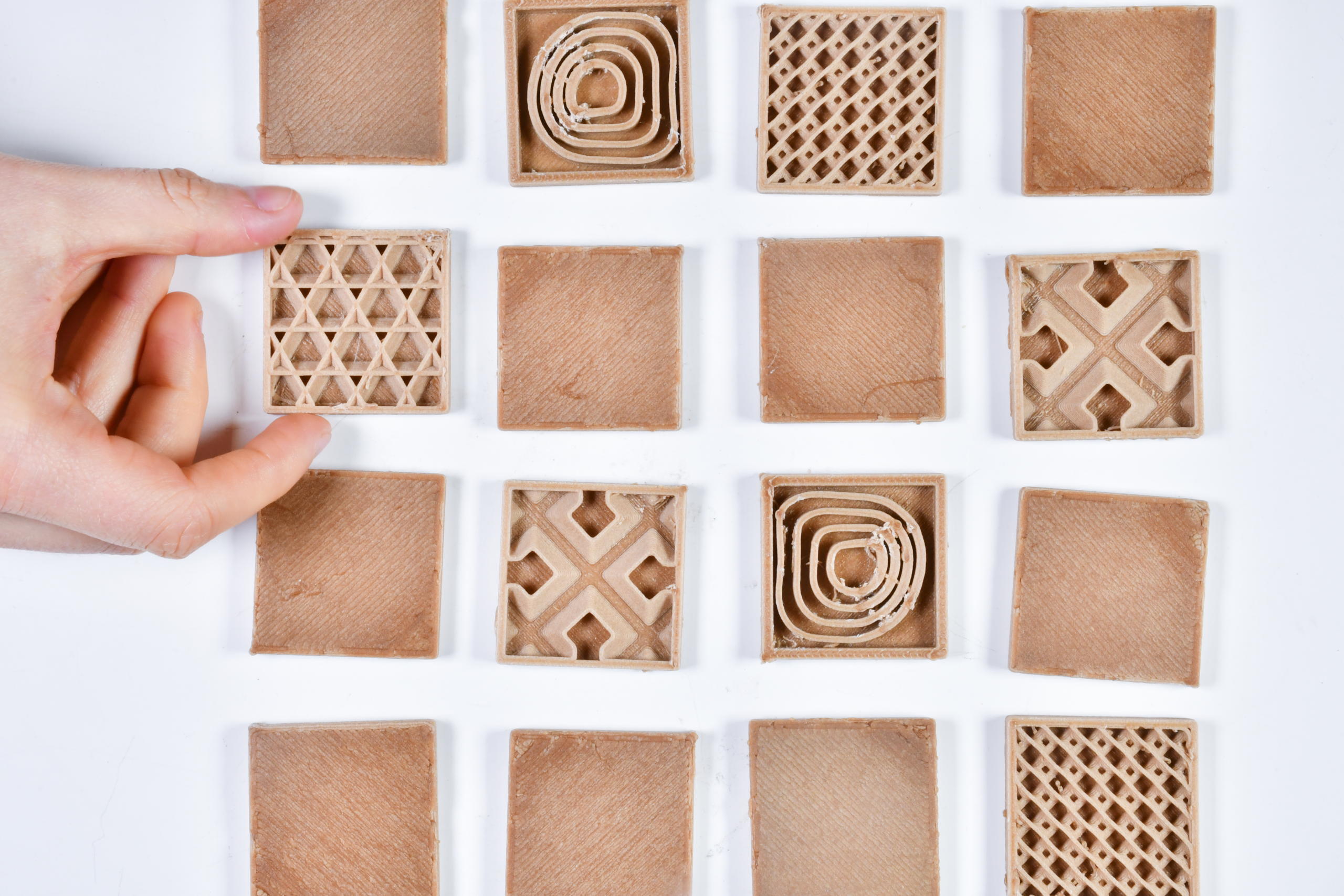
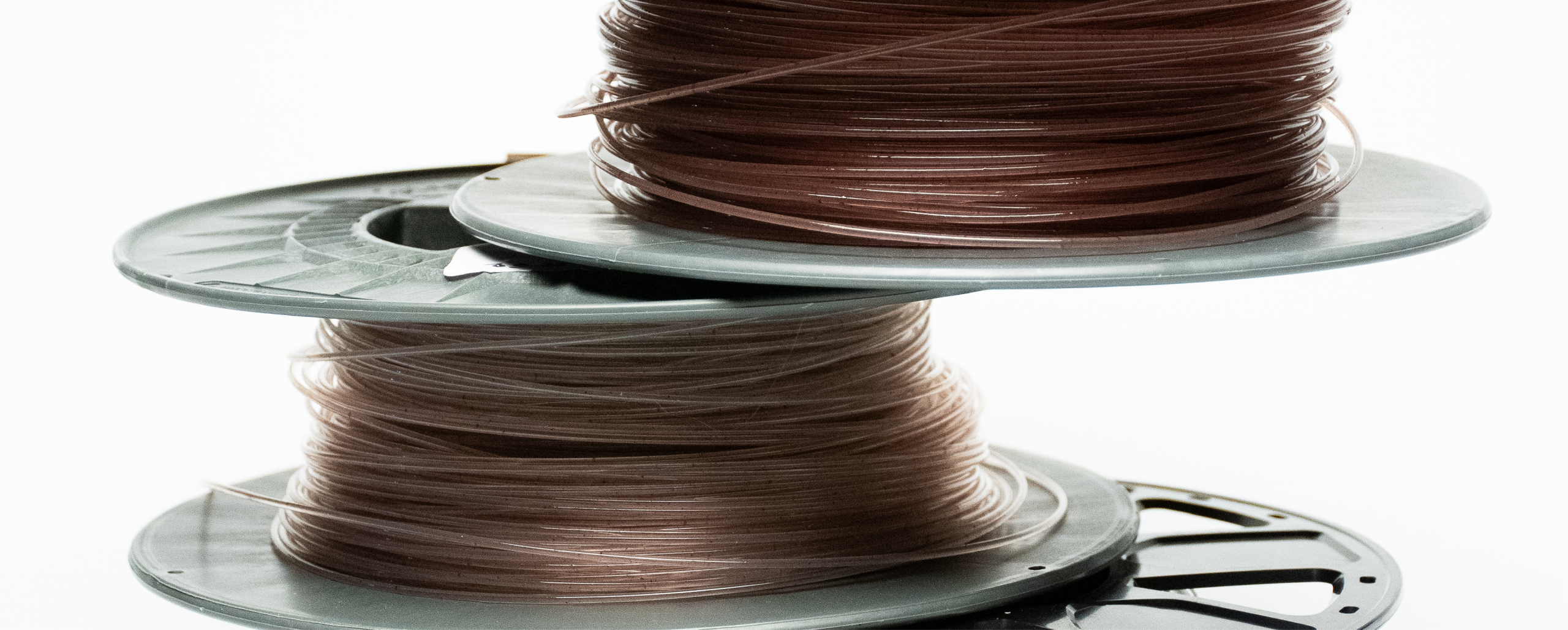
The developed materials exhibit a strong material identity, characterized by organic textures, natural patterns, chromatic variations, and soft gradients emerging from the interaction between the polymer matrix and grape pomace residues. Optimized for FDM 3D printing, the materials allow controlled deposition, generating visible layered patterns and a subtle translucency that differentiates them from conventional synthetic plastics. Rather than being treated as imperfections, these features become integral to the material language, revealing both biological origin and manufacturing process. This aesthetic proposes an alternative to the uniform, brightly colored, and highly synthetic appearance traditionally associated with toys. In addition to their visual and tactile qualities, the materials embed functional properties, including antibacterial potential and biodegradability, reinforcing their suitability for products intended for children. By exposing young users to materials that express variability, origin, and impermanence, WAS TOY fosters a new material sensitivity—where sustainability is not hidden, but experienced through form, texture, and touch.
PUBLICATIONS
WAS TOY. FrancoAngeli Editore. (In press).
credits
WAS TOY is the result of a national interdisciplinary collaboration integrating materials research, design, and process experimentation.
Research Partners:
- Politecnico di Milano: Valentina Rognoli, Gaia Crippa, Nicolò Baroli, Nathalie Dalle Molle.
- University of Naples Federico II (UniNA): Carla Langella, Giovanna Nichilò.
- National Research Council (CNR): Giovanna Gomez D’Ayala, Donatella Duraccio.
