Tracks4Crafts (T4C) is a European project funded by Horizon Europe (2023–2027), aimed at examining and transforming the transmission of Traditional Crafts Knowledge (TCK), with the goal of reinforcing its economic and social value and aligning it with a heritage approach oriented toward the future.
PROJECT OVERVIEW
Tracks4Crafts (T4C) is a European project funded by Horizon Europe (2023–2027), aimed at examining and transforming the transmission of Traditional Crafts Knowledge (TCK), with the goal of reinforcing its economic and social value and aligning it with a heritage approach oriented toward the future. Artisanal knowledge, recognized as intangible cultural heritage (ICH), represents not only a resource for competitiveness and innovation, but also a driver of sustainable development and improved quality of life, contributing to Sustainable Development Goals 4, 8, and 11. However, the tools and formats for transmitting this knowledge are often inadequate in the face of contemporary challenges, hampering its full potential. Tracks4Crafts is born to fill this gap, developing and testing new methodologies and instruments capable of making the transmission of TCK more effective, inclusive, and forward-looking. The project is structured around four main tracks: (i) Tracks4Training, to create and improve innovative learning formats in transmission processes; (ii) Tracks4Tech, to integrate traditional techniques with digital technologies and advanced tools; (iii) Tracks4Markets, to develop business models and certification tools that enhance the value of artisanal knowledge; (iv) EUnite4Tracks, to strengthen the network and dissemination of crafts across different ecosystems.
A foundational element of T4C are the eight pilot cases — craft and cultural entities located in diverse geographical European contexts — which concretely experiment with new tools and approaches: WAAG FutureLab (Netherlands), Icelandic Textile Center (Iceland), Bokrijk (Belgium), Onl’fait (Switzerland), Semne Cusute (Romania), The Art of Silk Museum (Greece), MXeD (Netherlands), and Artex (Italy). These craft ecosystems are real living labs, where tradition and innovation meet to test learning formats, documentation practices, and certification tools, while simultaneously addressing the cultural and economic barriers that hinder the continuity of knowledge. The consortium is coordinated by the University of Antwerp (Belgium) and includes distinguished academic and institutional partners: 3Walks (Spain), Skillman.eu (Italy), the European Crafts Alliance (ECA, Belgium), the Design Department of Politecnico di Milano (Italy), Université Paris 1 PanthéonSorbonne (France), Latvian Academy of Culture (Latvia). Together with the pilot case actors, these partners contribute to an interdisciplinary, cocreative approach that engages researchers, artisans, cultural networks, and local communities. Through this shared work, Tracks4Crafts aims to transform embodied knowledge into accessible and shared heritage, fostering the continuity of European crafts and its capacity to renew, innovate, and generate social, cultural, and economic impact.
the meaning of our participation
Within Tracks4Crafts, our participation supports pilots with future-oriented experimentation rooted in emerging and local materials, merged with traditional craft knowledge. We work closely with pilot partners to co-design and facilitate workshops, shape experimentation pathways, and make material processes visible and communicable. Through this collaboration, pilots become active learning environments where artisans, designers, and local communities can explore new directions while staying grounded in situated practices, resources, and cultural values. A central contribution is bringing the DIY Materials approach as a hands-on innovation method. We use it to structure iterative material exploration—working with local bio-based resources, waste streams, and craft techniques—so that pilots can test ideas quickly, learn through making, and build confidence in experimentation. At the same time, we introduce teaching and learning methods that help participants observe, document, compare, and reflect on material transformations. These activities generate practical tools—such as open recipe formats, documentation templates, and workshop guidelines—that allow pilots to transfer knowledge, replicate the approach, and feed concrete insights into project outcomes like the DIY Materials Manual and the broader experimentation platform.
Materials
Dialogues
Materials Dialogues a platform for sharing the DIY approach
Materials Dialogues is a participatory workshop platform developed within Tracks4Crafts to share and activate the DIY Materials approach through collective experimentation. It brings together craft practitioners, designers, researchers, and local communities to explore materials hands-on, using accessible methods, local resources, and open “recipe” formats. Through guided making, observation, and documentation, Materials Dialogues helps participants exchange knowledge across disciplines, translate situated craft practices into transferable learning, and generate insights that can be reused by the pilots in future workshops, education, and innovation activities.
1st workshop Florence (ARTEX, Tuscany)
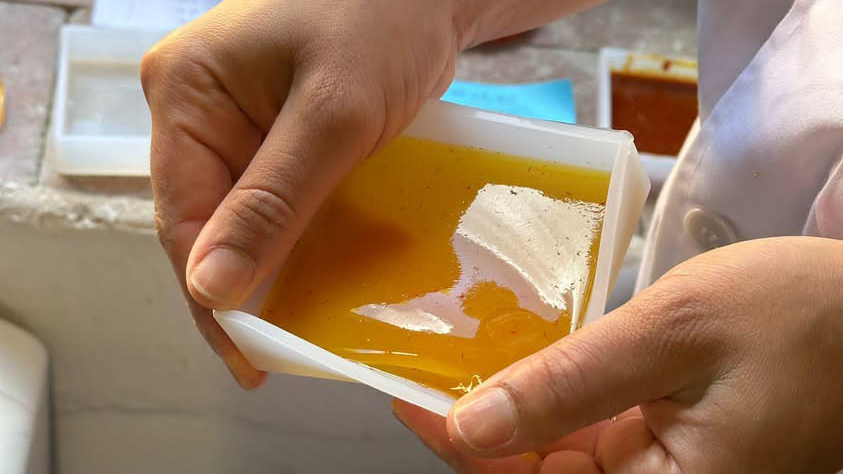
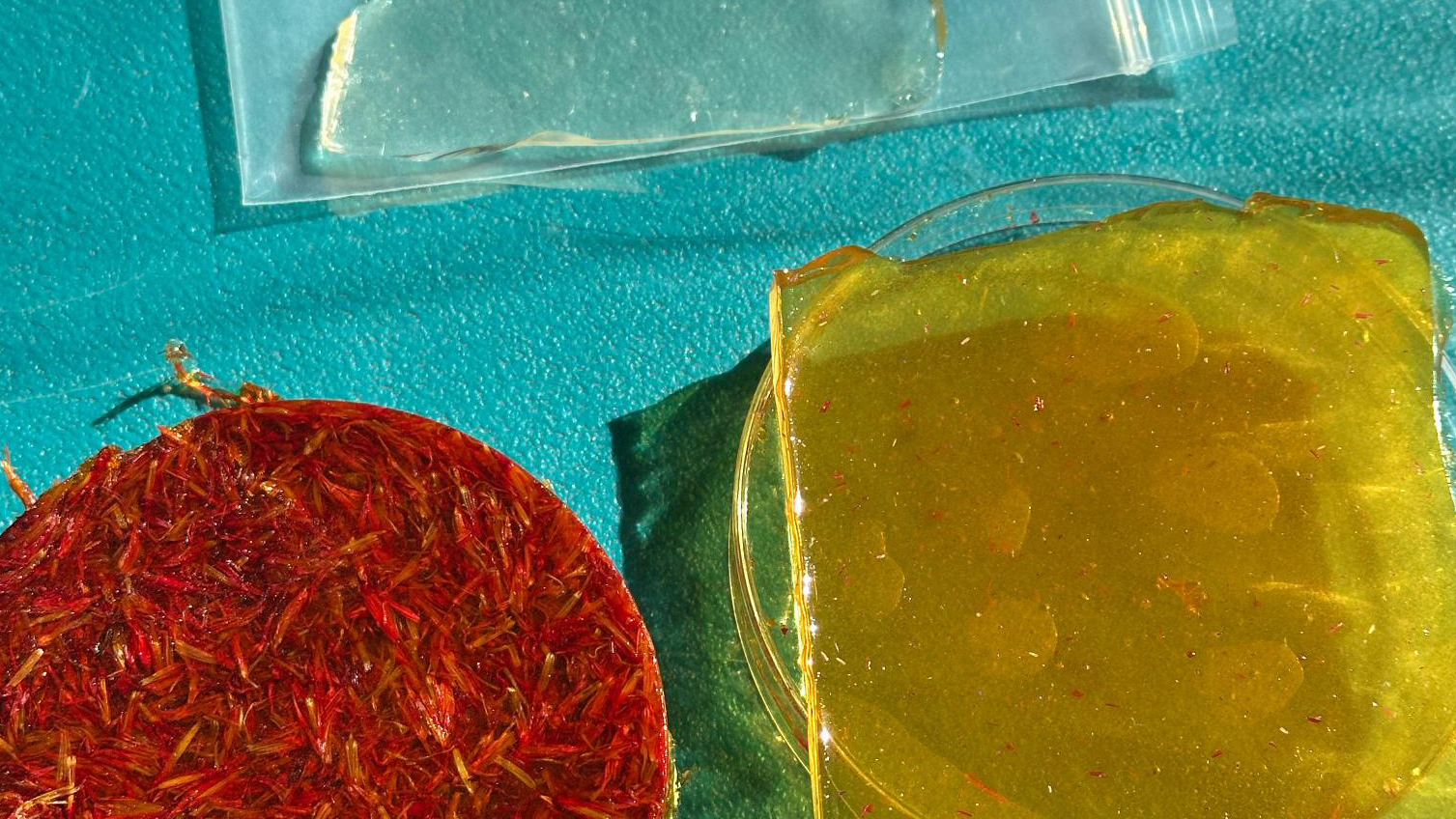
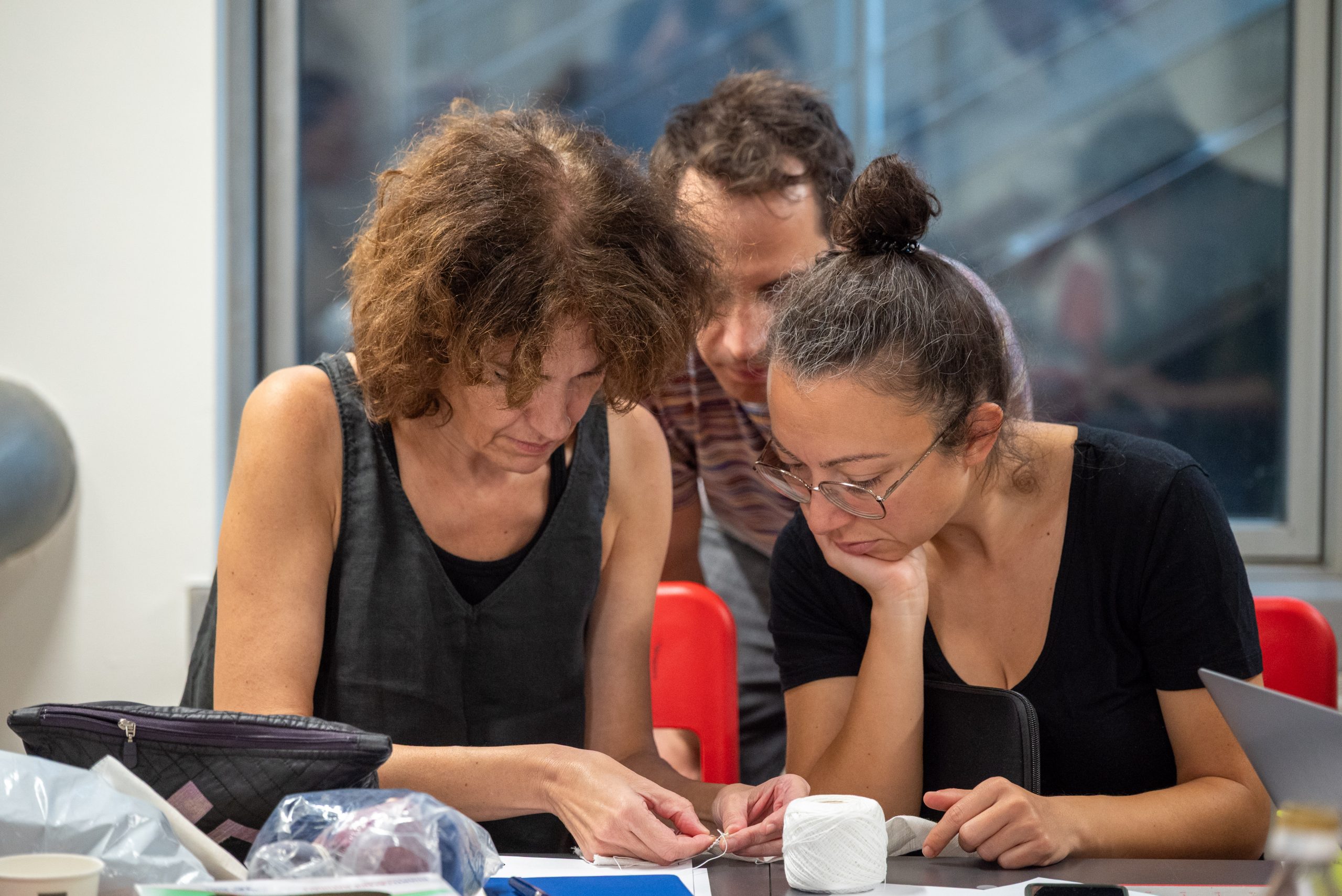
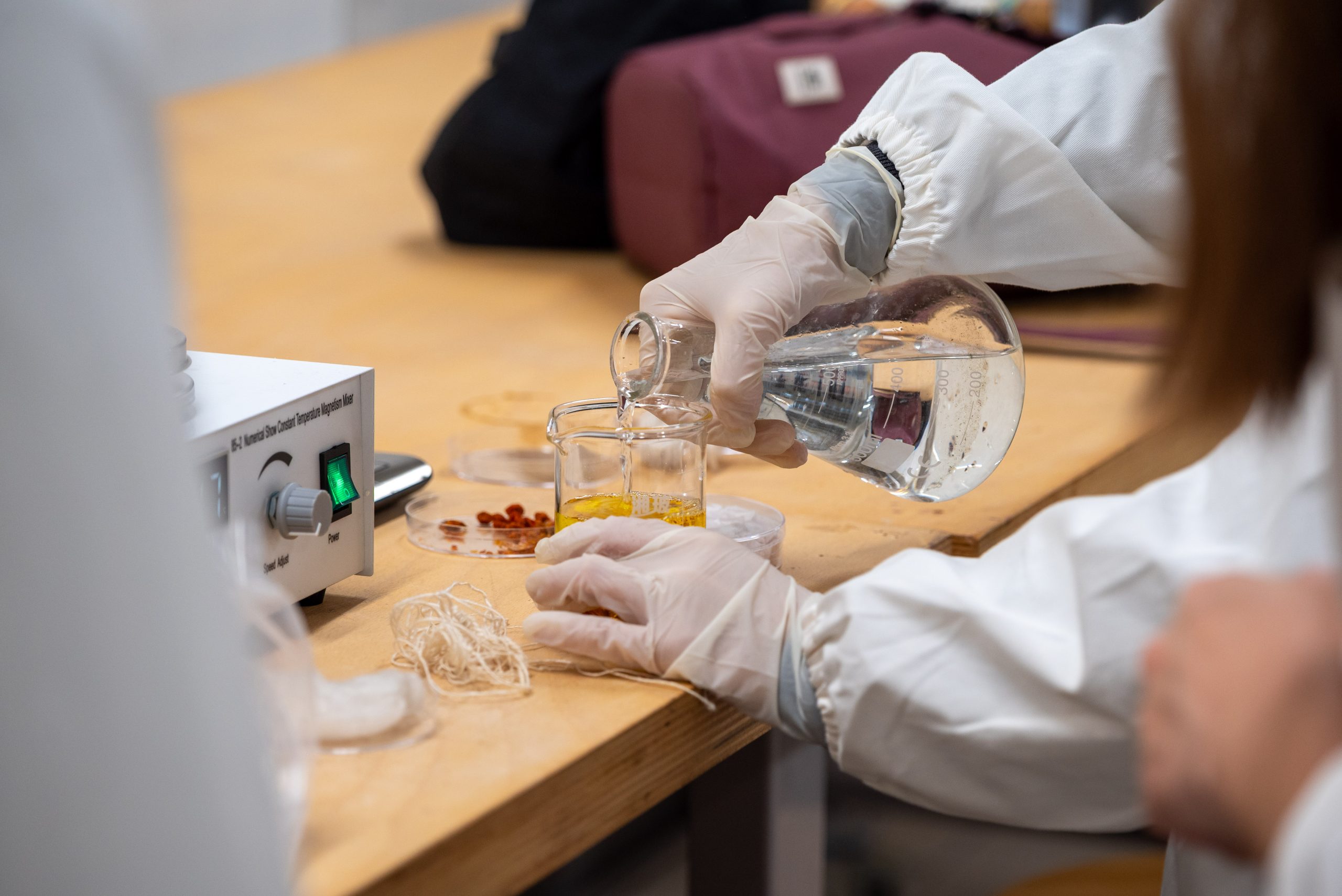
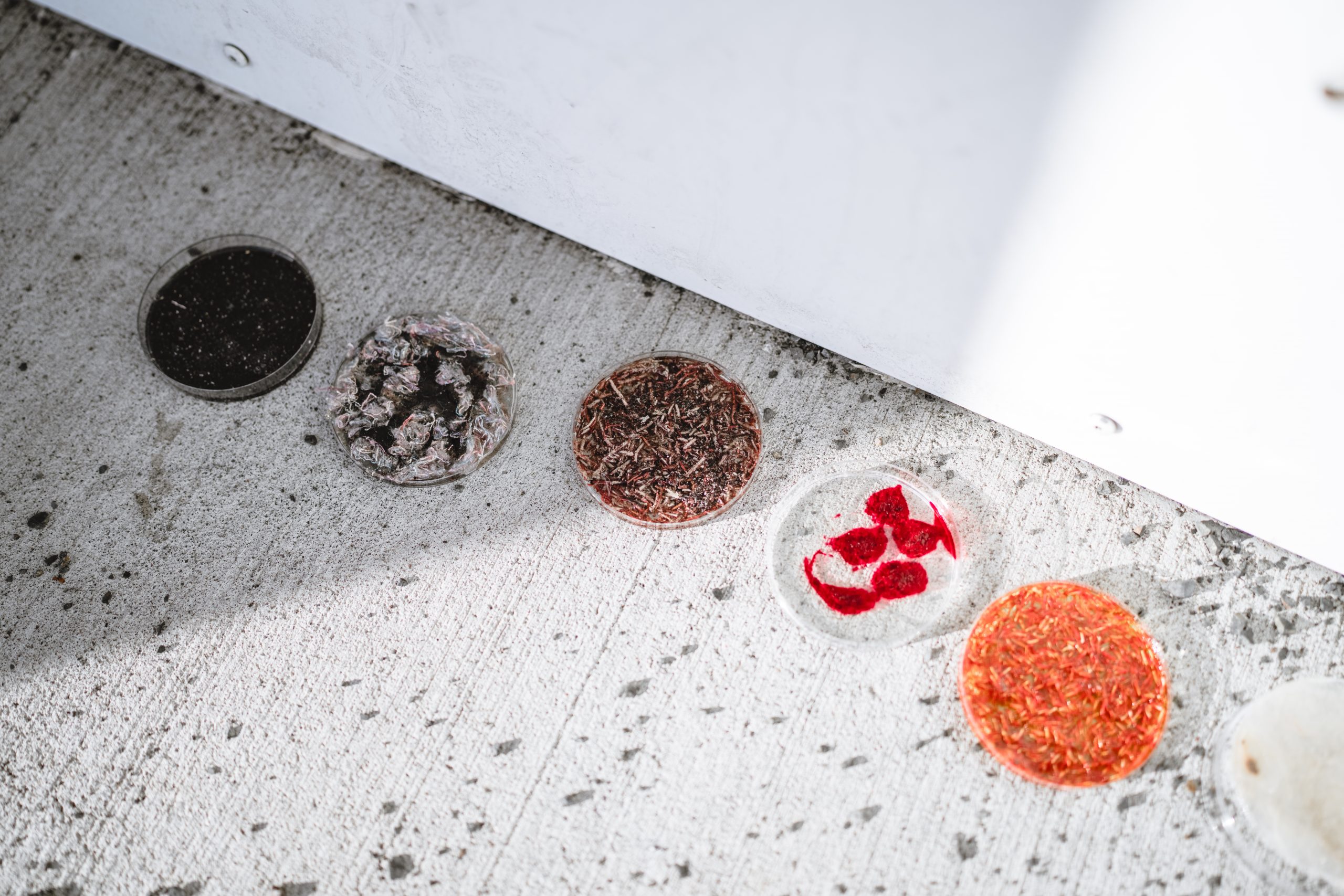
The first Materials Dialogues workshop was co-designed with AR.TEX – Centro per l’Artigianato Artistico e Tradizionale della Toscana, a Tuscan craft organisation founded in 1987 by Confartigianato and CNA, committed to protecting, developing, innovating, and promoting artistic and traditional craft production in Italy and abroad. Representing ceramic craft practices within T4C, AR.TEX hosted the workshop by inviting its local community to explore DIY materials using food waste, regional resources, and abundant Tuscan biomass. Led by Dr. Sofia Soledad Duarte Poblete and Master’s student Nicolò Baroli (Department of Design, Politecnico di Milano), the workshop focused on emerging materials for craft contexts. Participants from design, arts, and photography produced experimental materials and substrates, envisioning potential applications connected to Italian craft innovation.
2nd workshopMilan (T4C 2nd Annual Meeting, Politecnico di Milano)
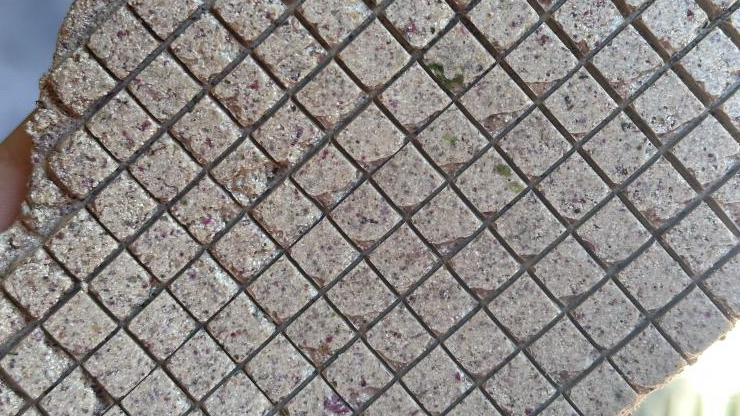
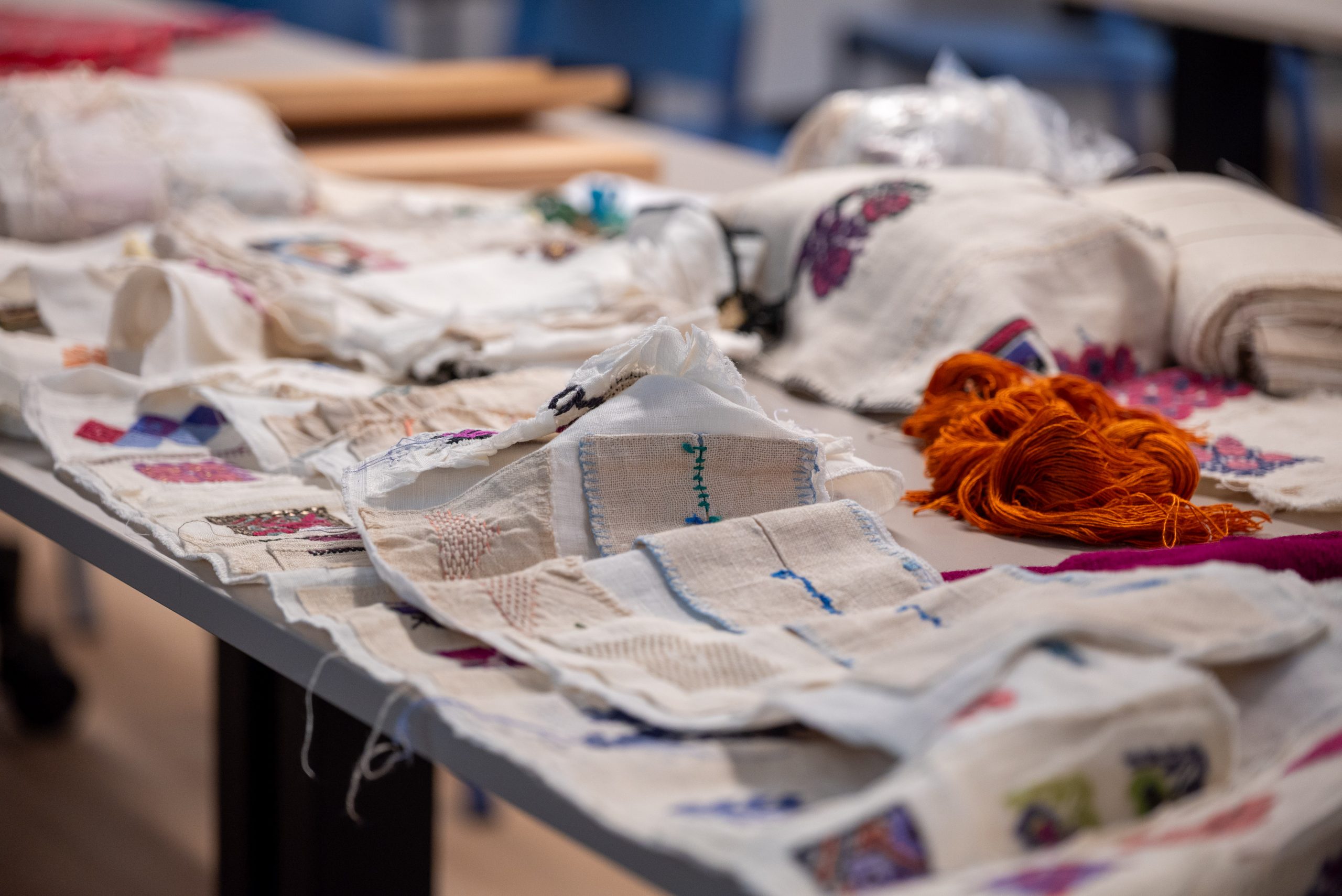
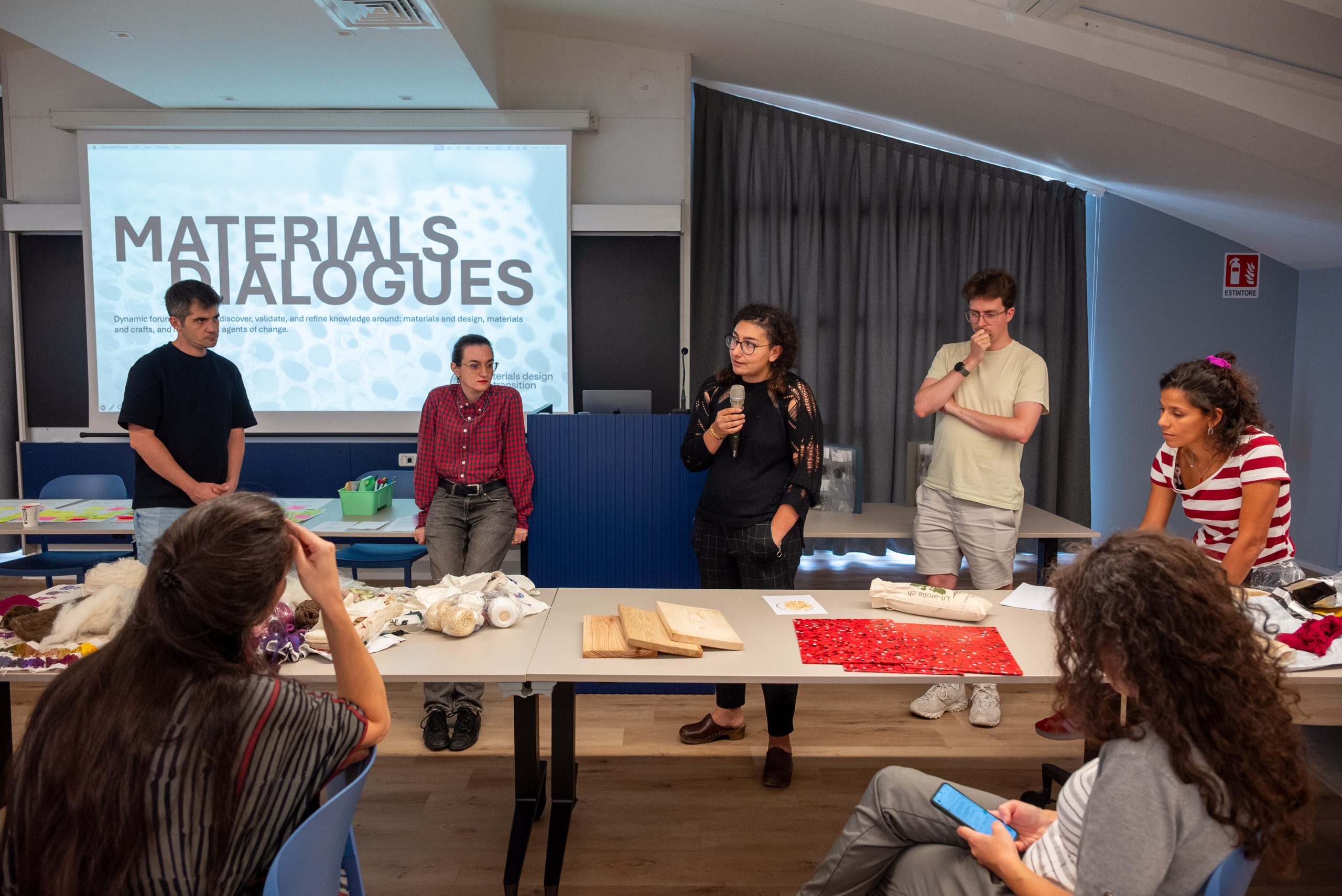
The second Materials Dialogues workshop took place in Milan during the T4C 2nd Annual Meeting (9–11 September 2025), hosted by the Department of Design at Politecnico di Milano. Around forty project partners and pilot representatives gathered for three days of dialogue, evaluation, and co-creation, connecting technical progress with shared reflection on the project’s future development through 2027. The session Materials Driven Craft Innovation – Materials Dialogues, led by Prof. Valentina Rognoli and Dr. Sofia Soledad Duarte Poblete, created a dedicated space to work with materials collected and developed across pilots. Through hands-on discussion and comparative reflection, participants explored how to valorise resources, transformation processes, and opportunities for cross-pilot experimentation, framing materials as cultural mediators and catalysts for social innovation. The active participation of multiple pilots was central to building shared perspectives on material and artisanal intelligence within the project.
3rd workshopIceland (Icelandic Textile Center, Blönduós)
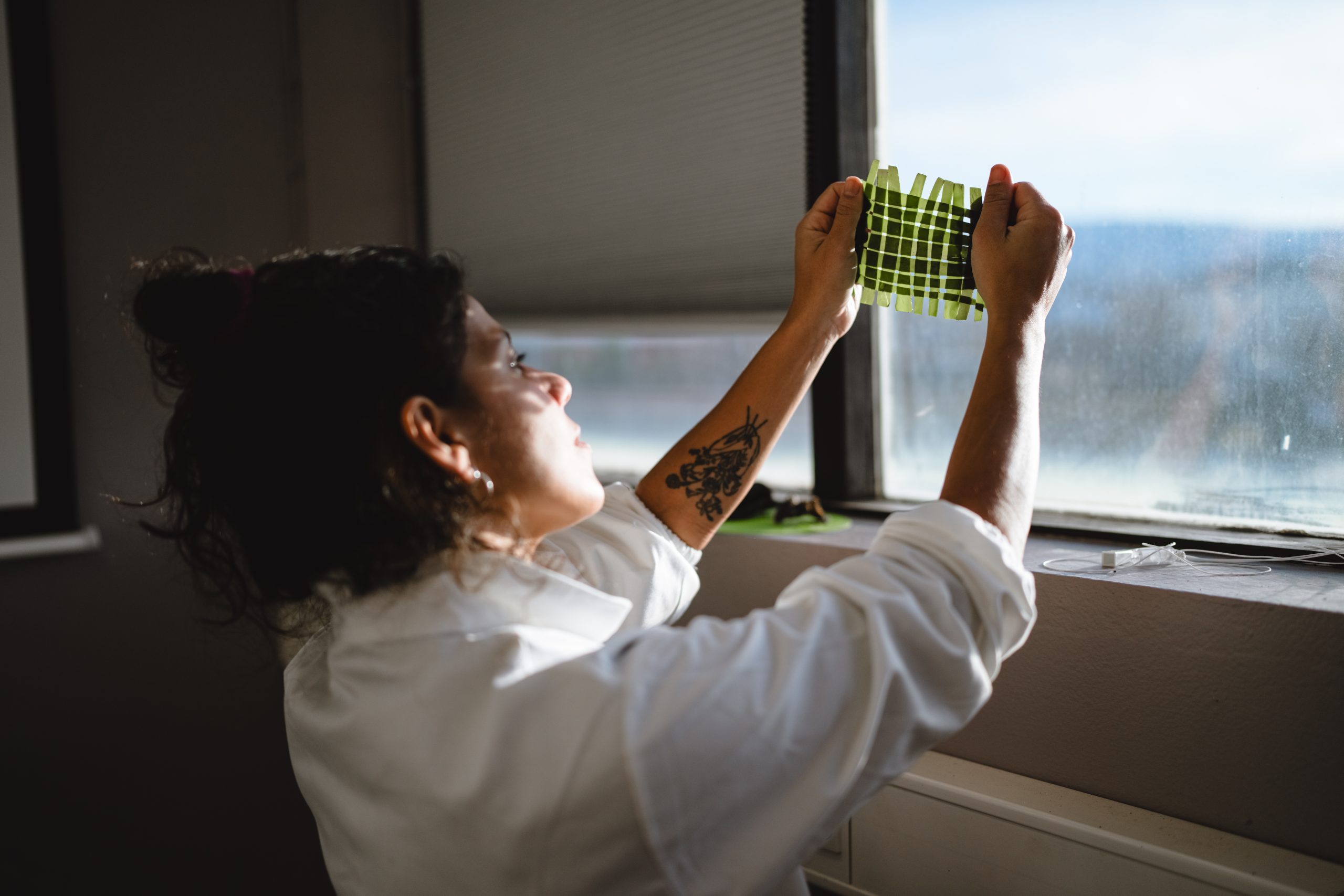
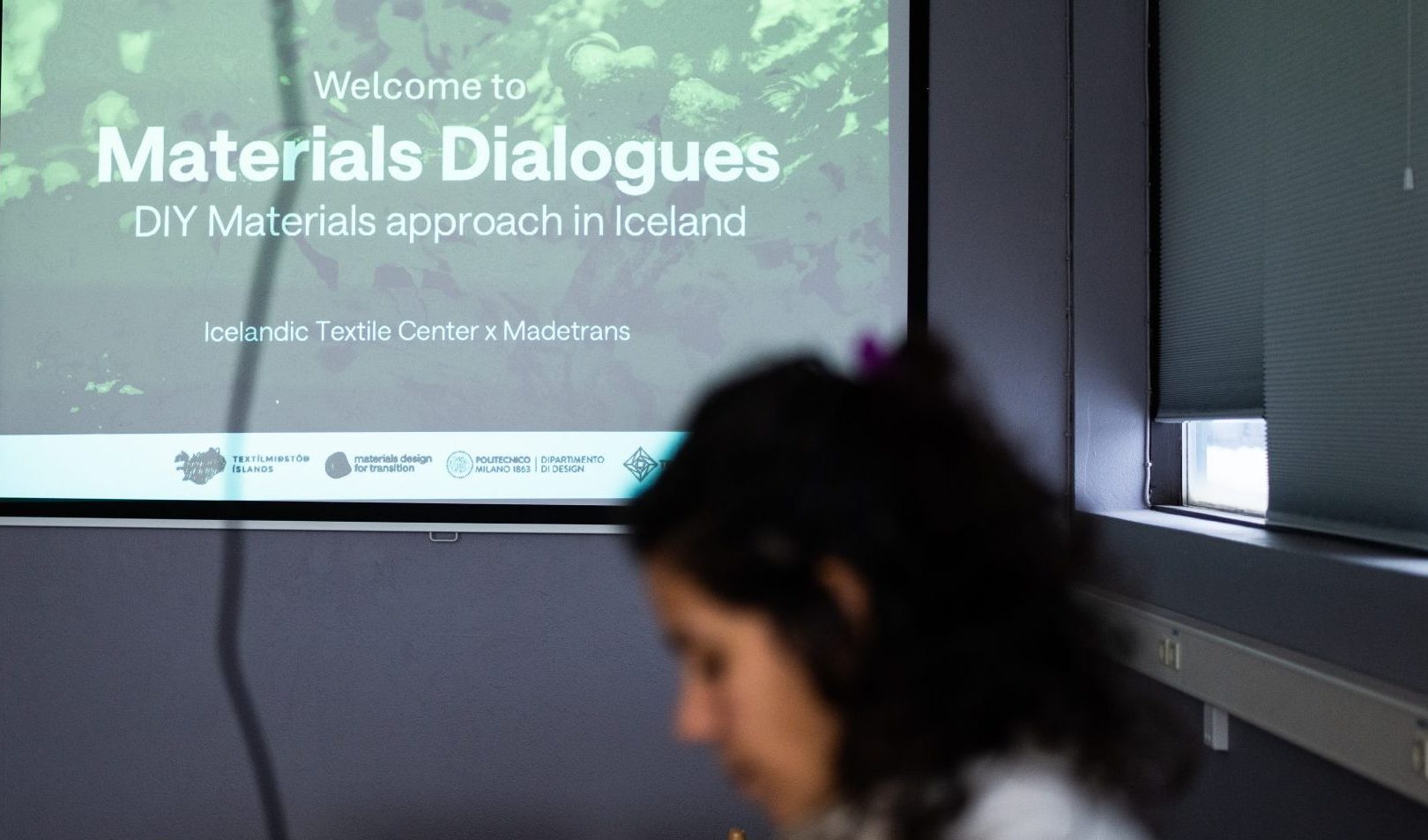
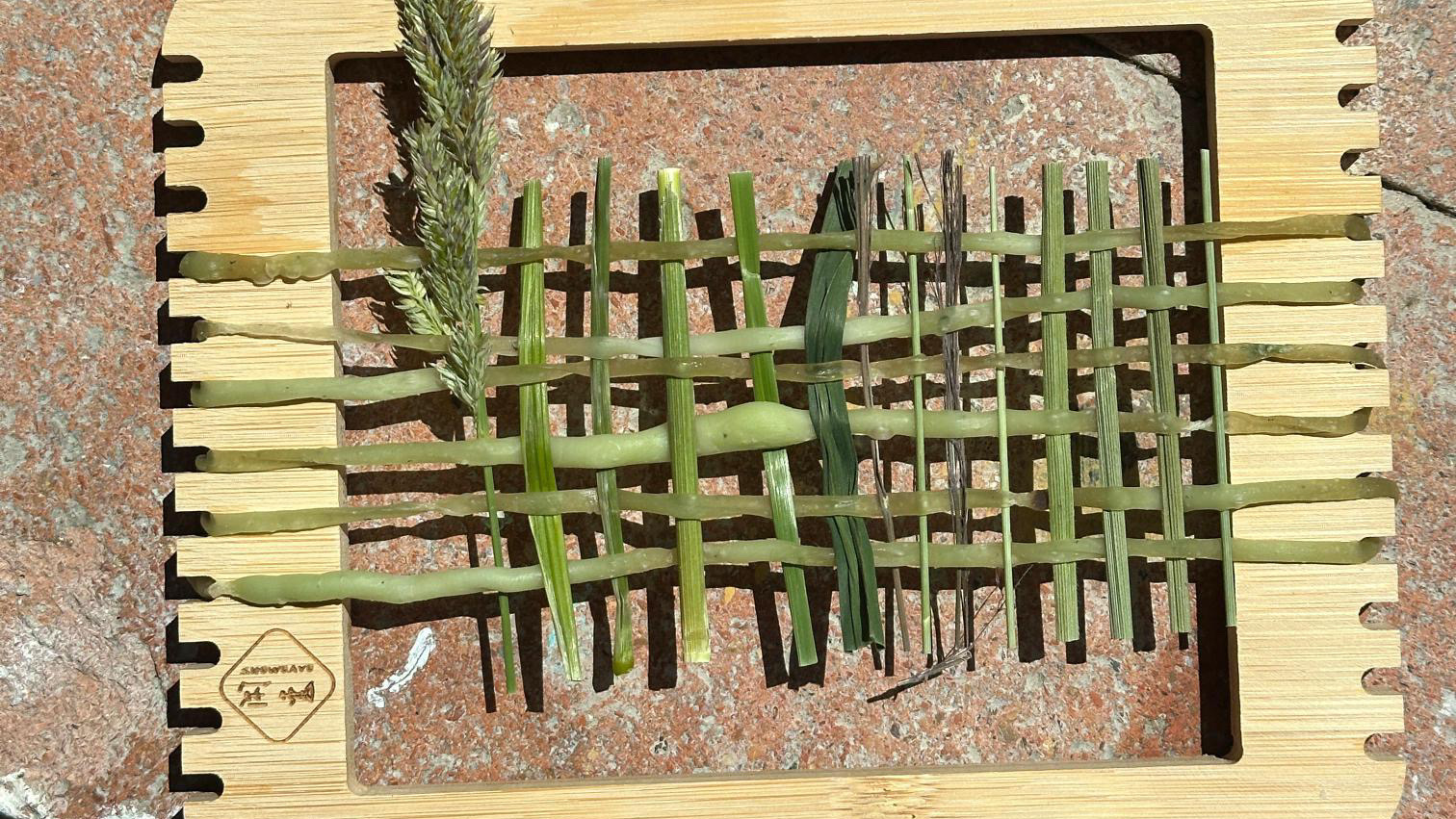
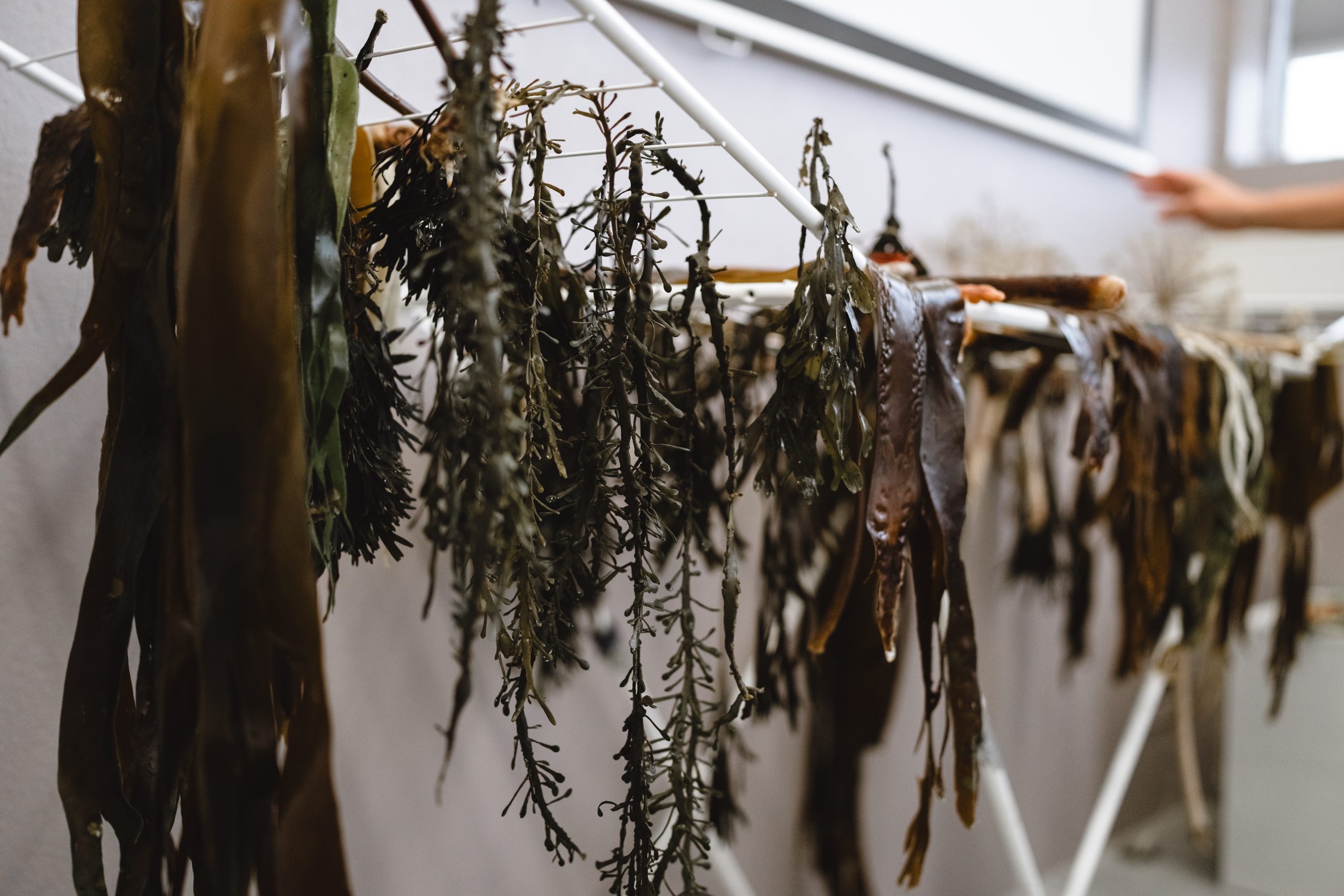
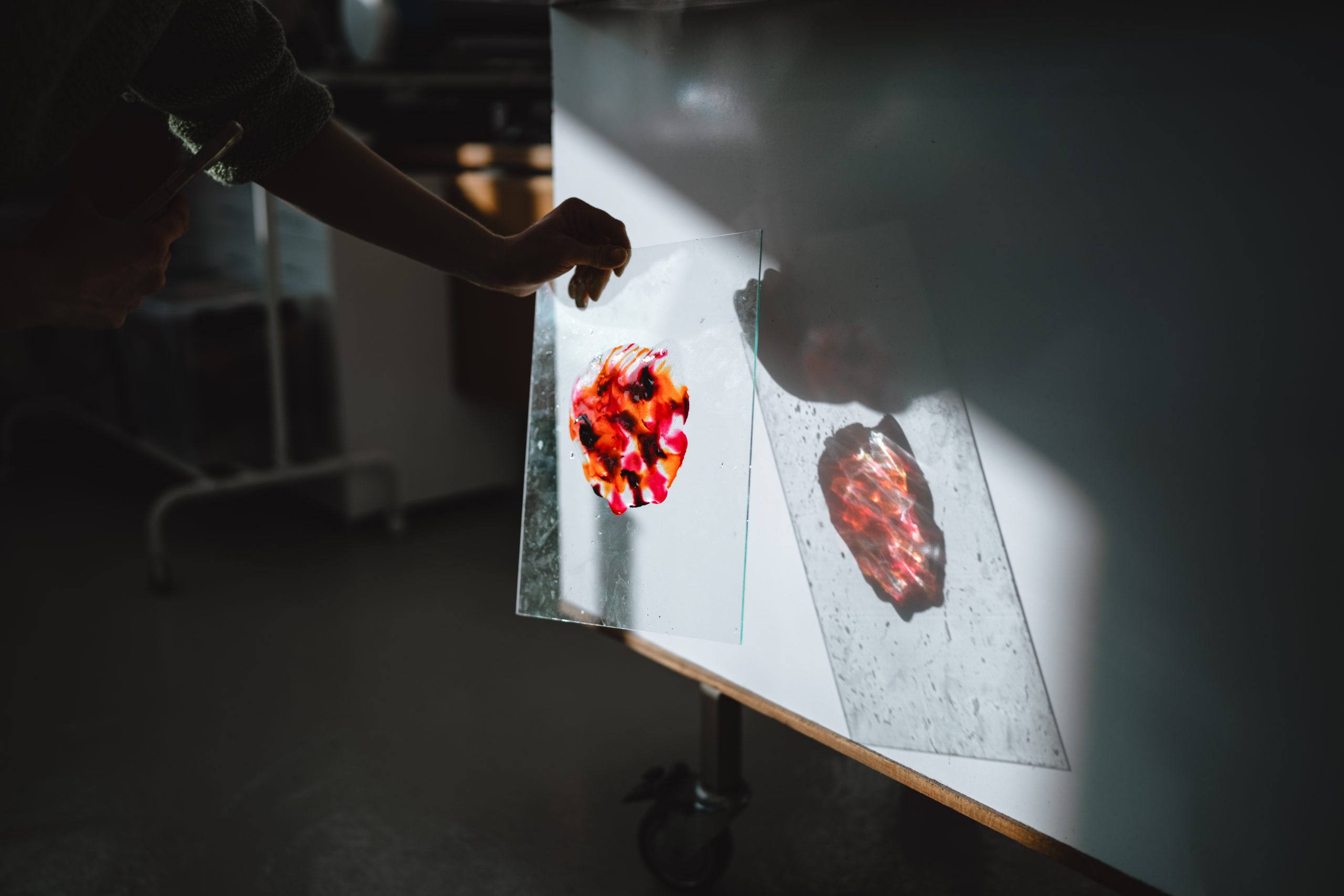
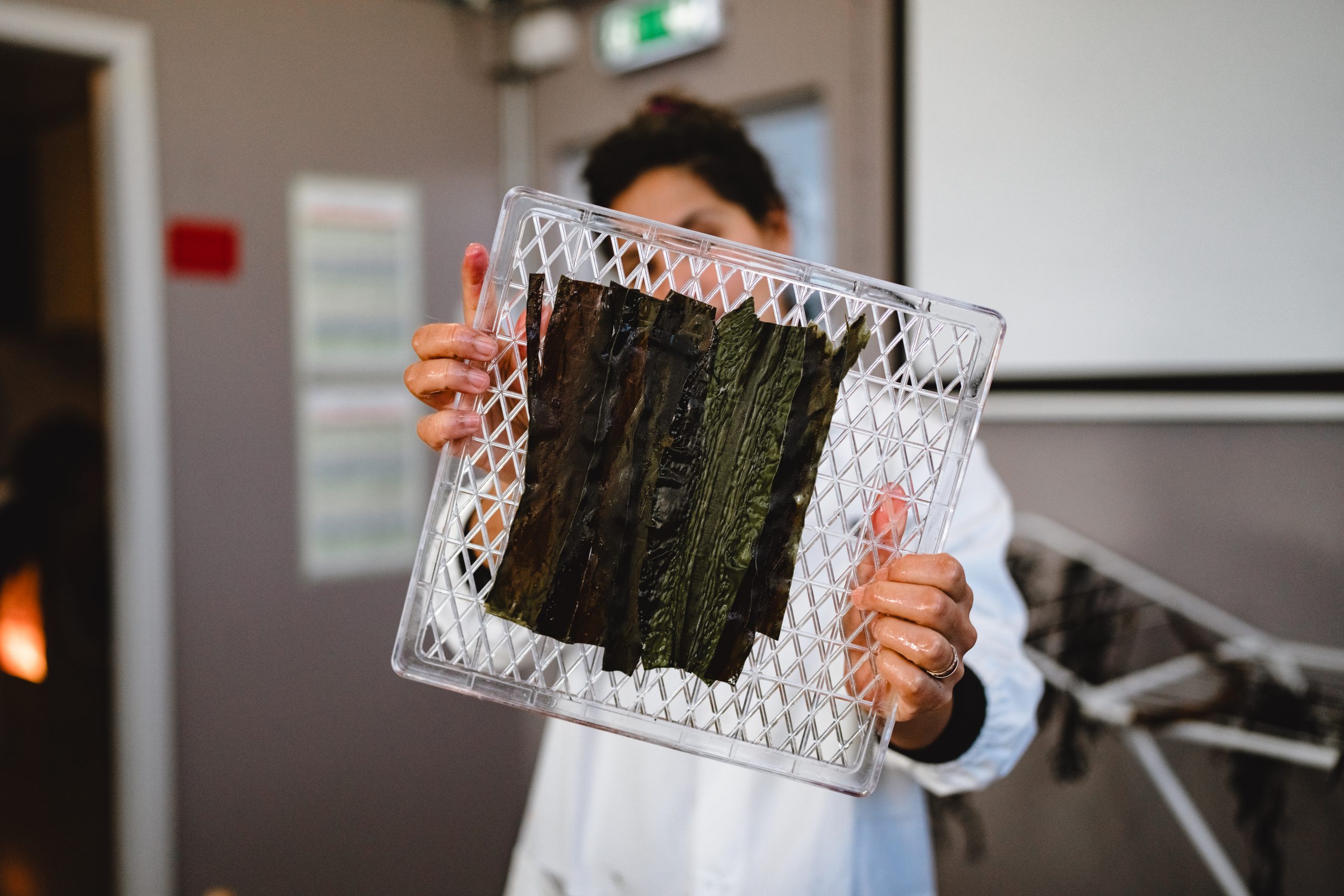
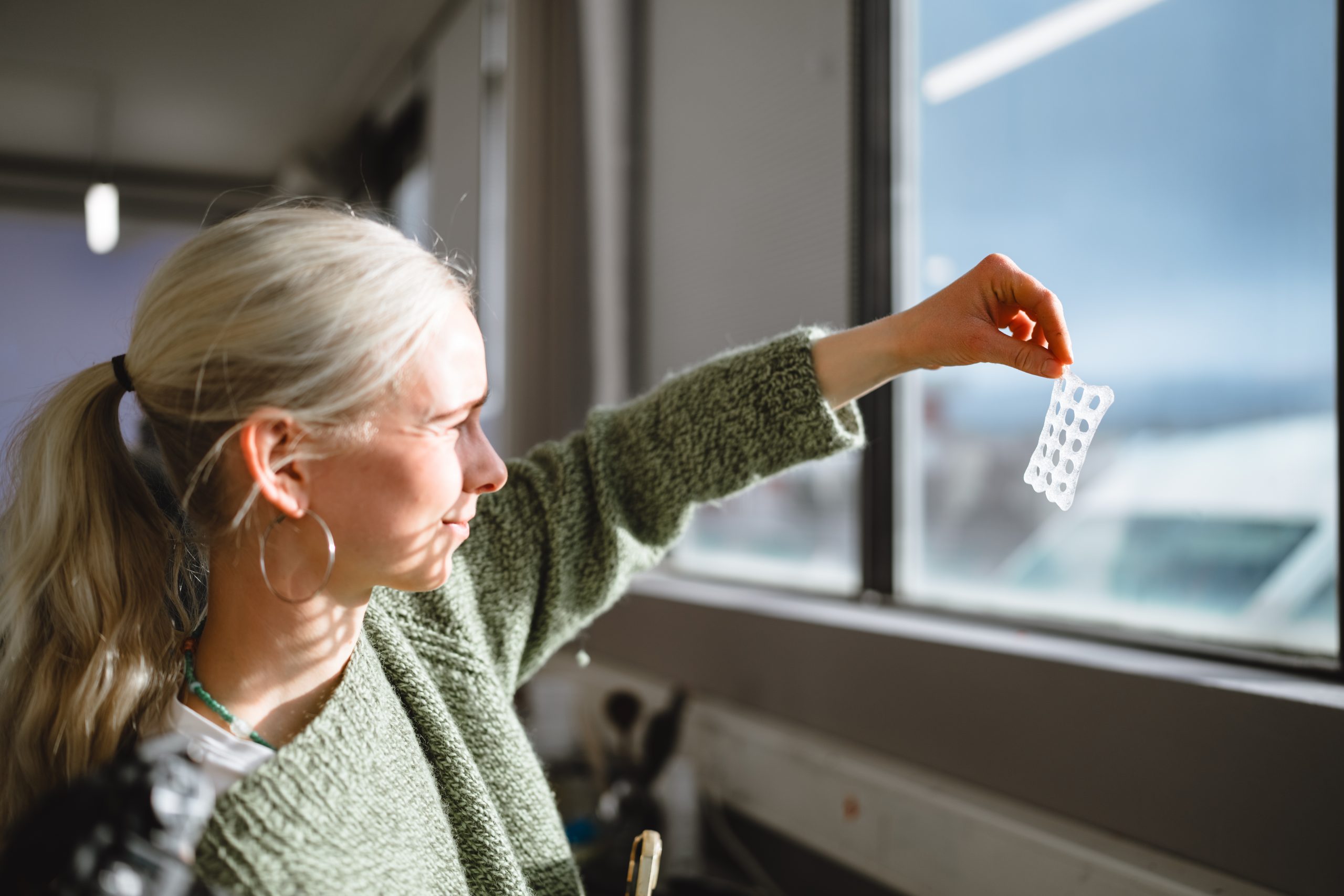
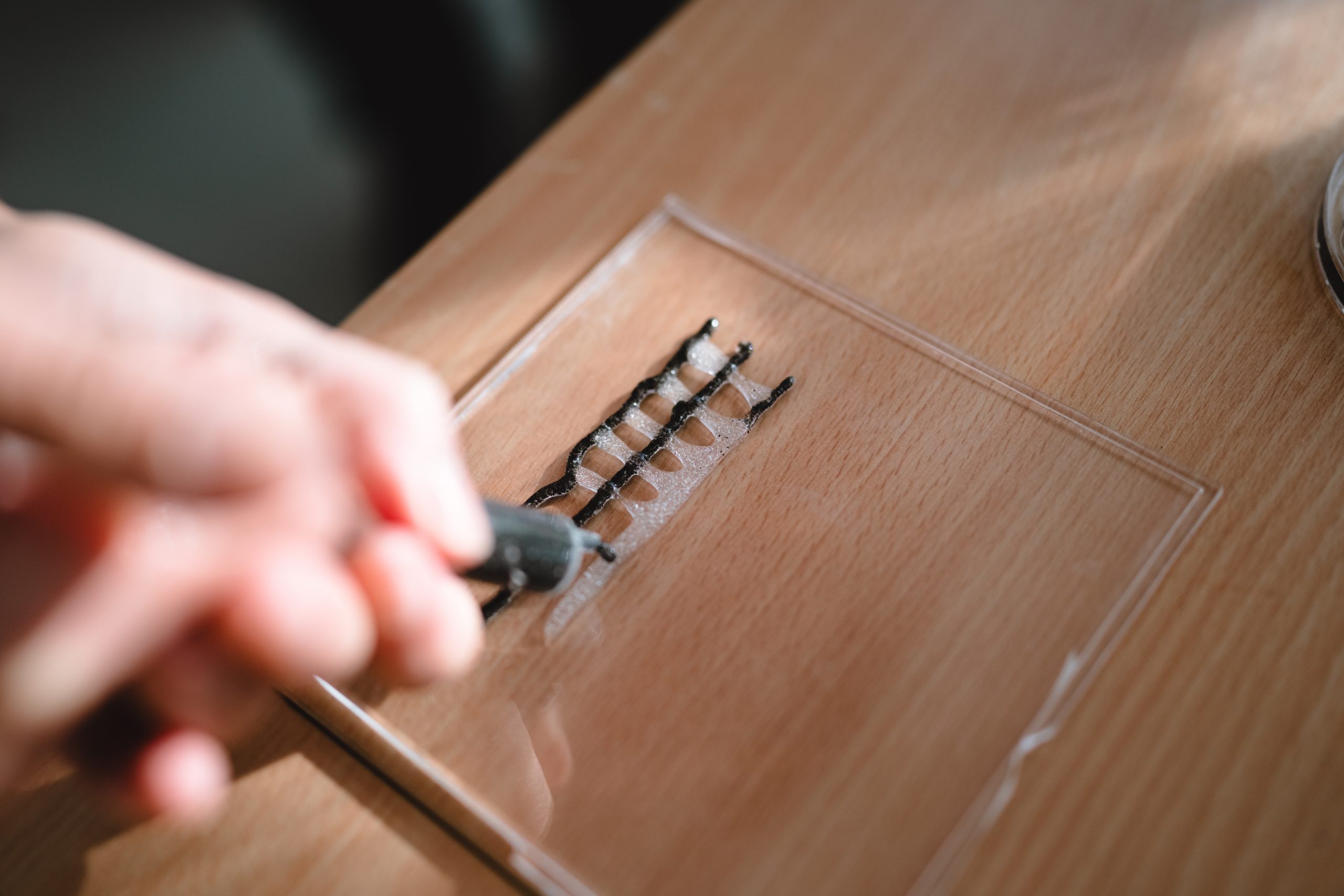
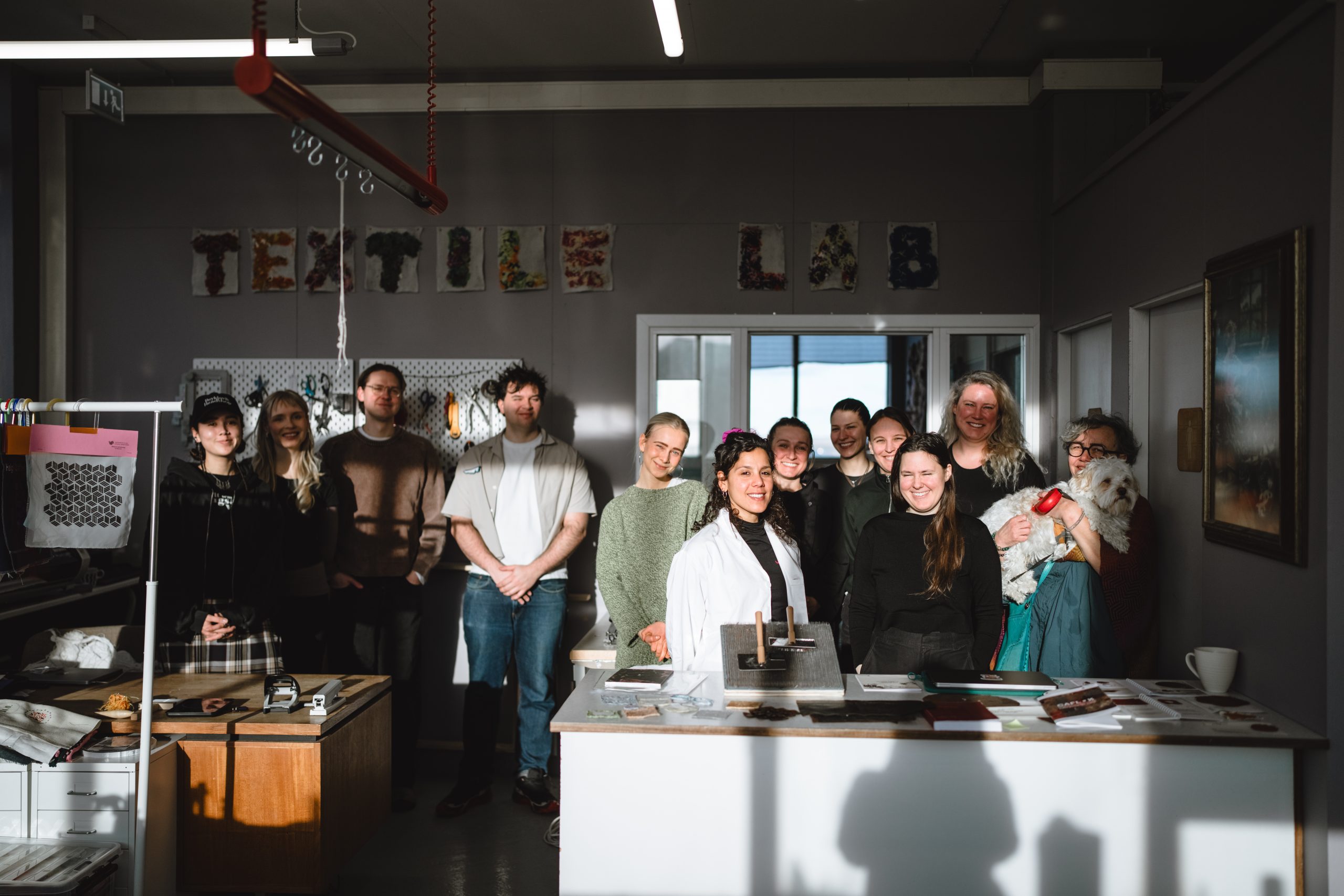
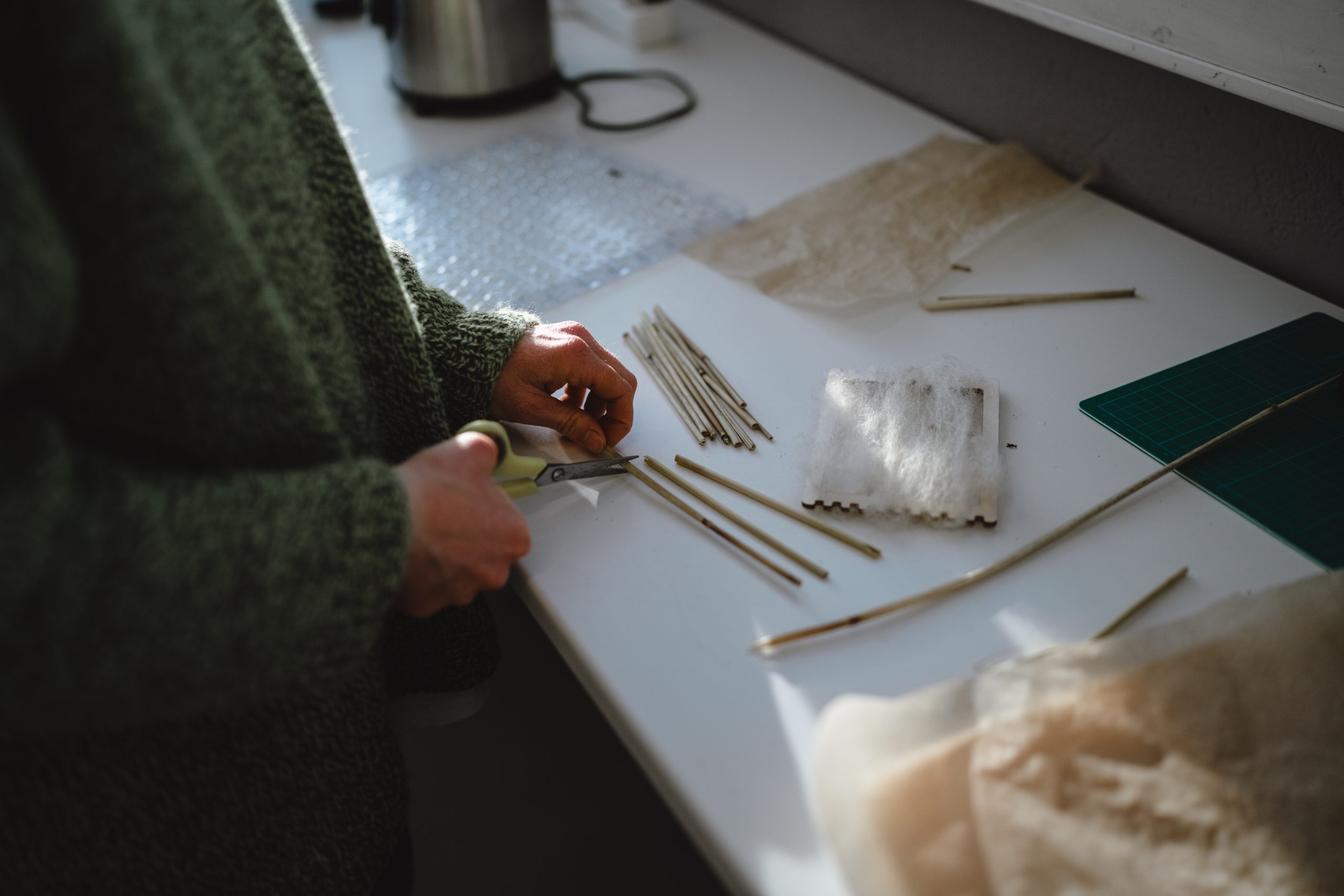
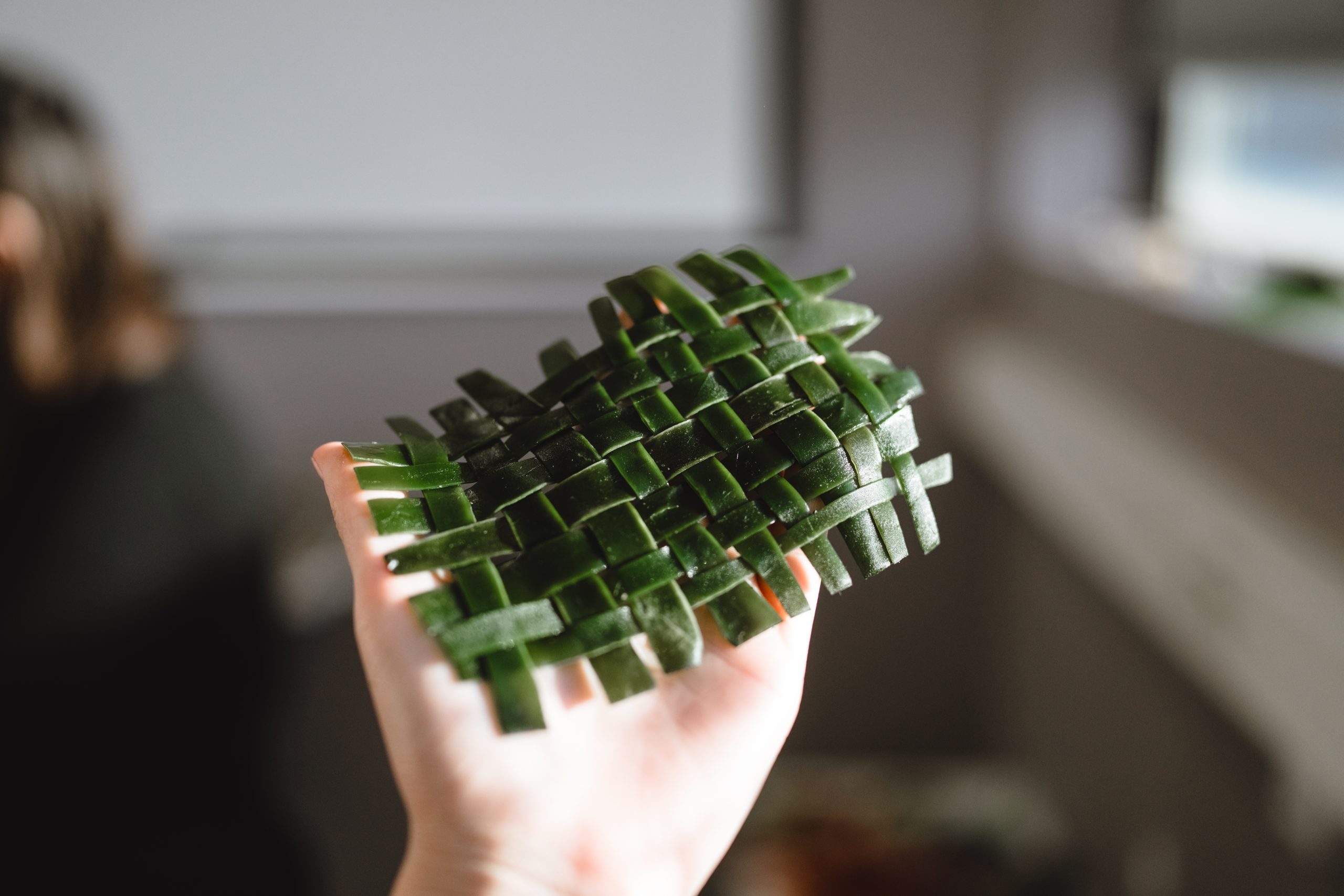
The third Materials Dialogues workshop was hosted by the Icelandic Textile Center in Blönduós and focused on bioregional material exploration, with particular attention to seaweed and marine-based resources. Led by Dr. Sofia Soledad Duarte Poblete and PhD Candidate Elena Albergati (Department of Design, Politecnico di Milano), the three-day workshop brought together artisans, artists, and designers interested in developing materials and demonstrators from locally available resources. Field exploration of the surrounding ecosystem informed the making sessions, linking environmental observation with experimentation and collective reflection on how marine materials can open new pathways for craft-based innovation and sustainable material practices.



PUBLICATIONS
- A Materials Design Practice Between Crafts, Creativity and Technology
SS Duarte Poblete, YS Lin, A Romani, L JY, V Rognoli (2024). CUMULUS CONFERENCE PROCEEDINGS SERIES, 2024
- SS Duarte Poblete, V. Rognoli (2026). Exploring contemporary Materials Design documentation strategies to foster craft knowledge. CRAFTOUR Scientific Conference 2026. University of Antwerp. Sringer
- DIY Materials Handbook (open-access version for download by August 2026)
EU FUNDED PROJECT
partners
PARTNERSHIP
T4C is part of Craftour Partnership.
CRAFTOUR is an European initiative bringing together 75 partners and six major projects to safeguard, support, and modernise traditional craftsmanship through innovation, research, and community engagement. We partner with others to shape the future of European crafts through heritage, innovation, education, and sustainability.